Punjab
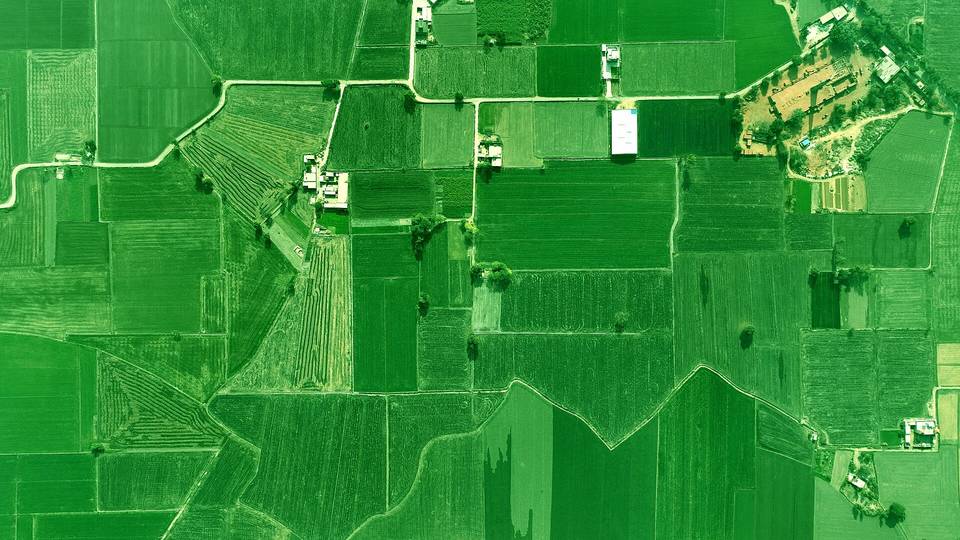
Five rivers come down from the snows and spread across a plain as flat as a threshing floor. Here the first cities rose on the Ravi, the Gurus and the Sufis sang, the qissa-tellers made their lovers immortal, and the people of the five rivers outlasted every empire that came down the Khyber.
The land of the five rivers, and everyone who has loved it.
Punjab Wiki is an atlas of the Punjab: its rivers and first cities, its Gurus, Sufis and bhagats, its poets and singers, its battles, empires and partitions. It is written for the Punjab as a whole, on both sides of the border and in every faith, and it takes the side of the land and its people against those who have ruled it from somewhere else.
Read the four ideas behind it →- The land comes first
- One Punjab, many faiths
- The people's memory is history
- Every name is a door
ਬੁੱਲ੍ਹਾ ਕੀ ਜਾਣਾਂ ਮੈਂ ਕੌਣ ॥ · بُلھا کیہ جاناں میں کون
Bulla, what do I know of who I am?
Bulleh Shah · Kafi, Kasur, 18th century
The ages of the Punjab
All eight ages →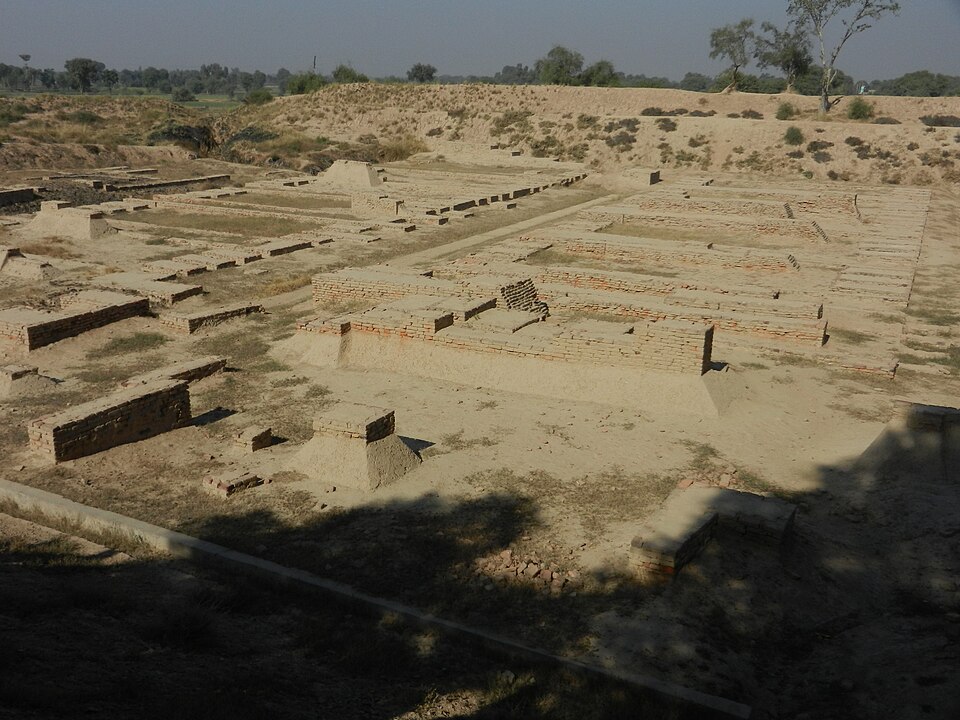
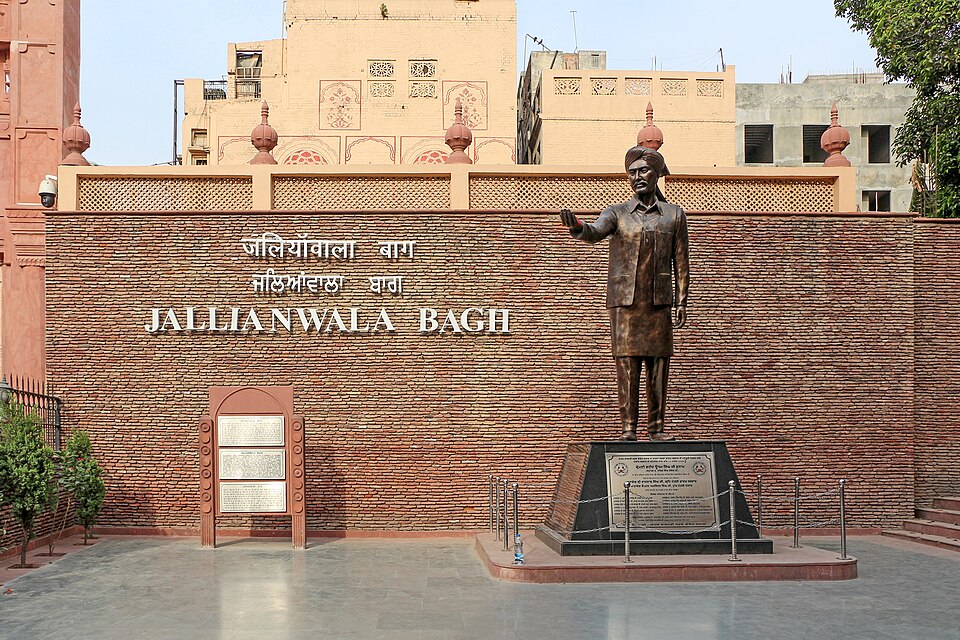
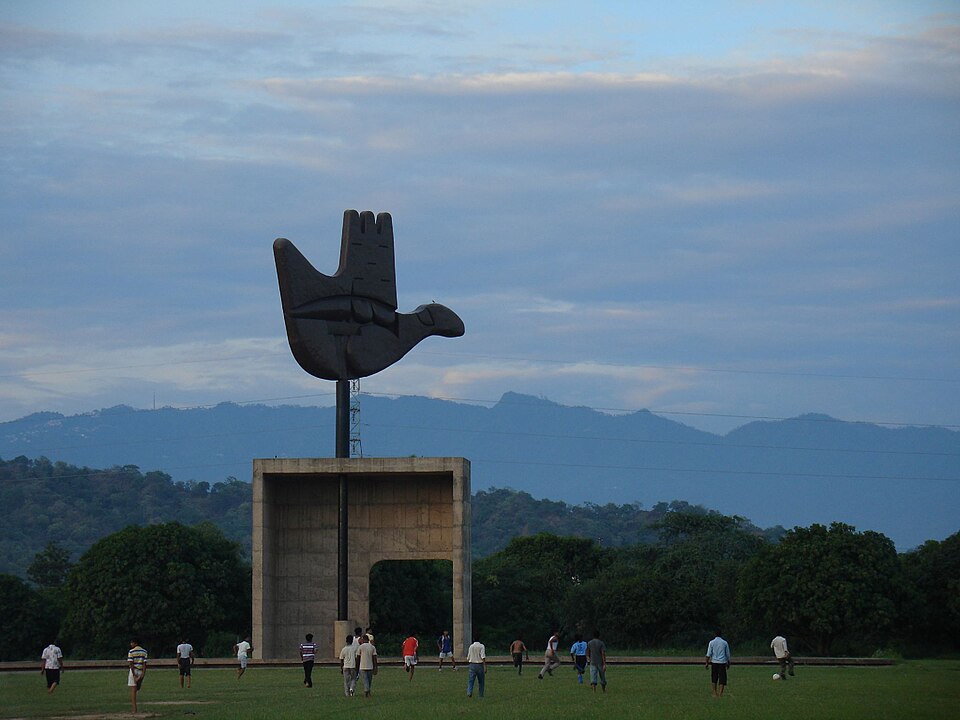
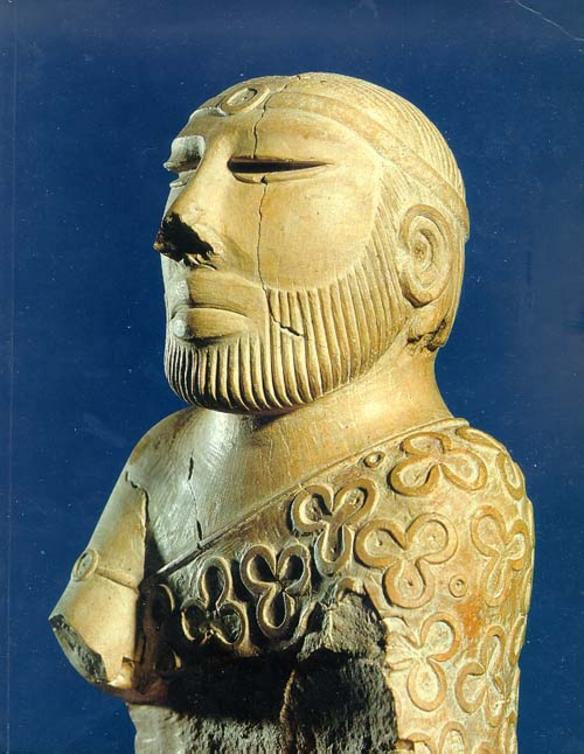
From the collections
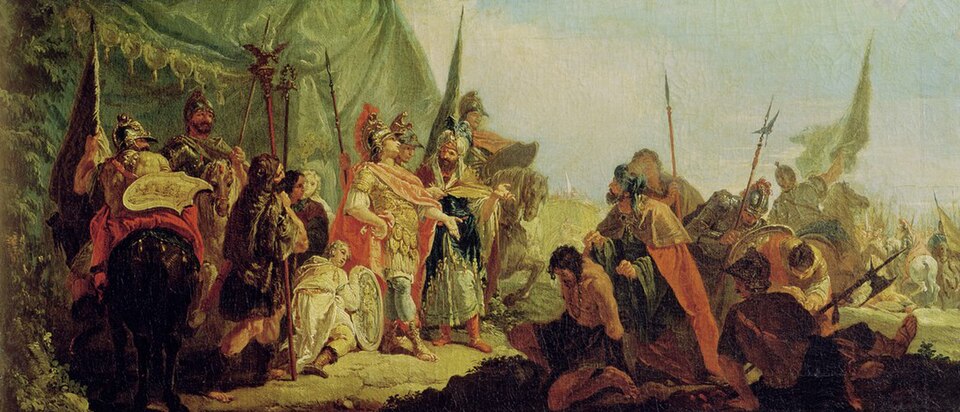
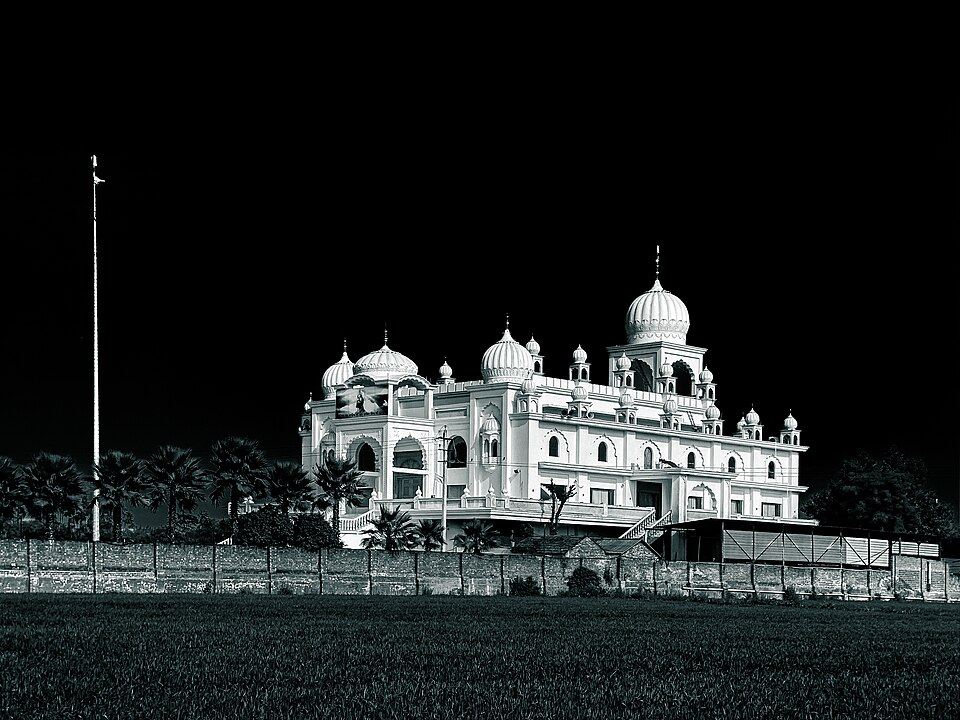
Artifacts & Art →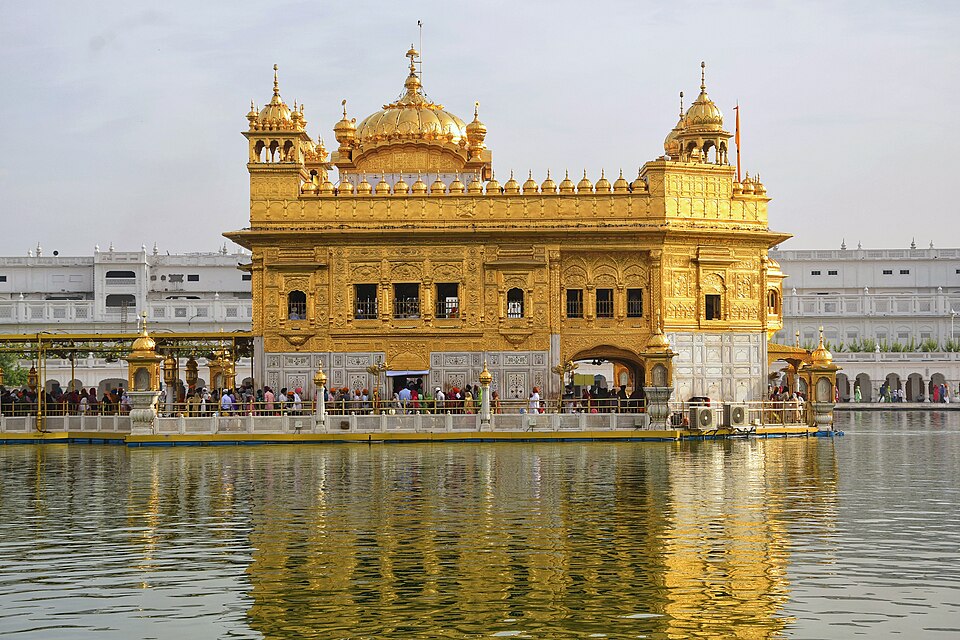
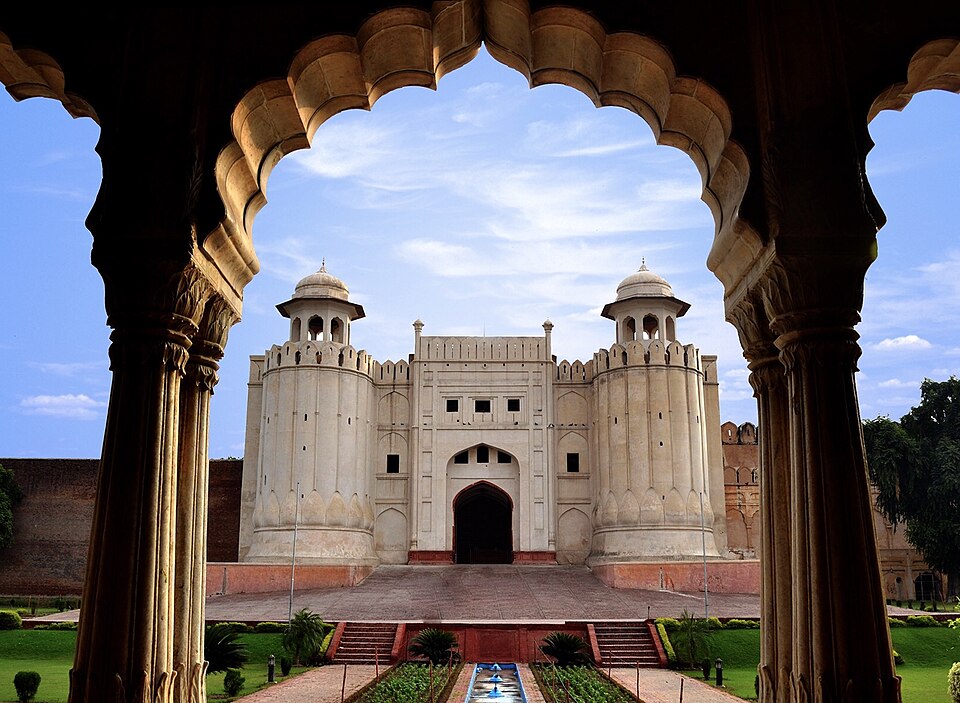
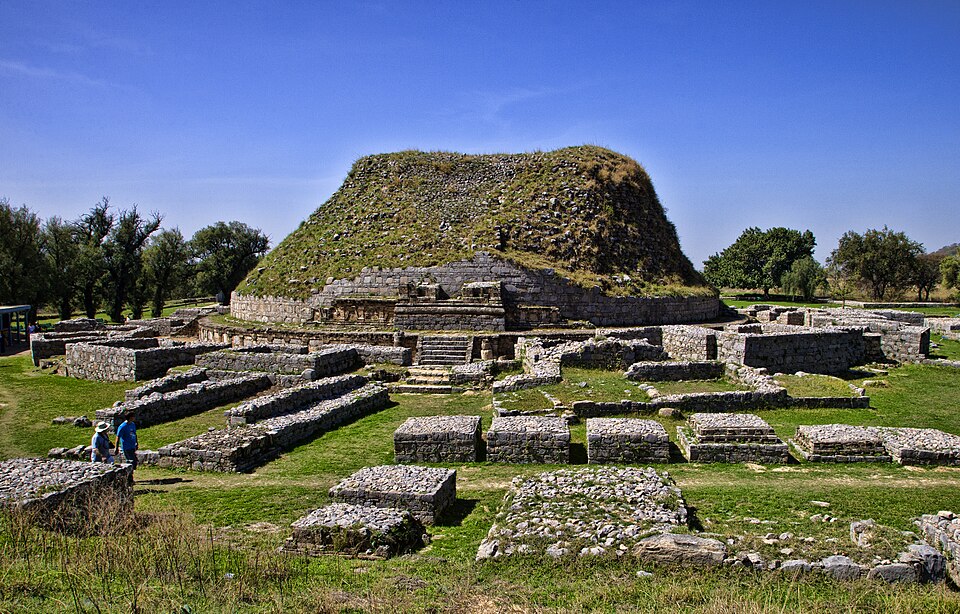
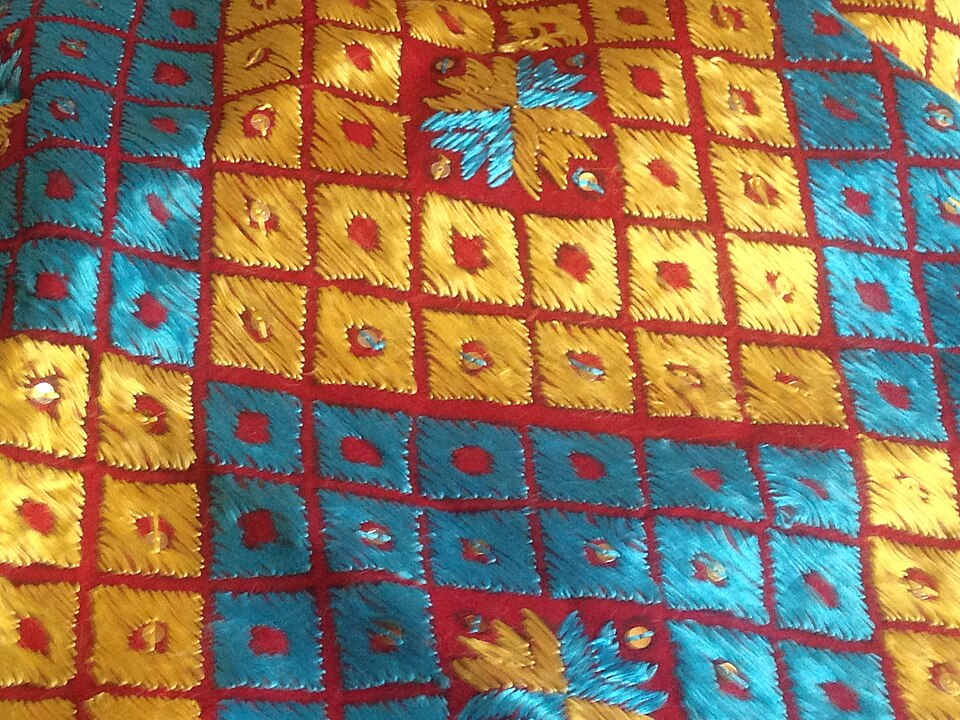
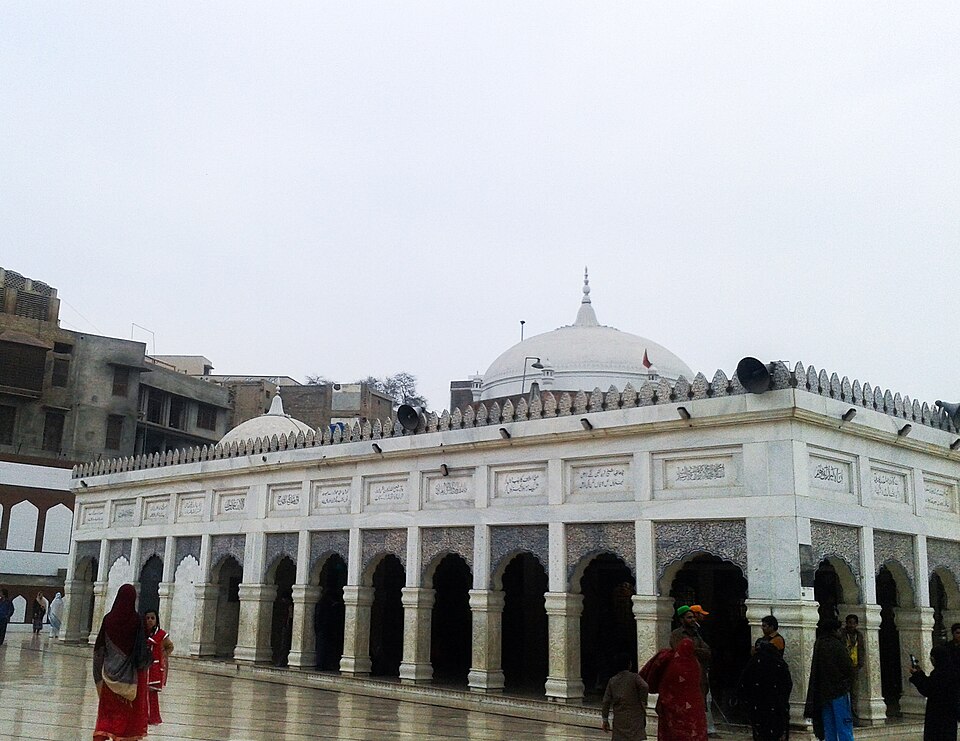
Faces of Punjab
Everyone →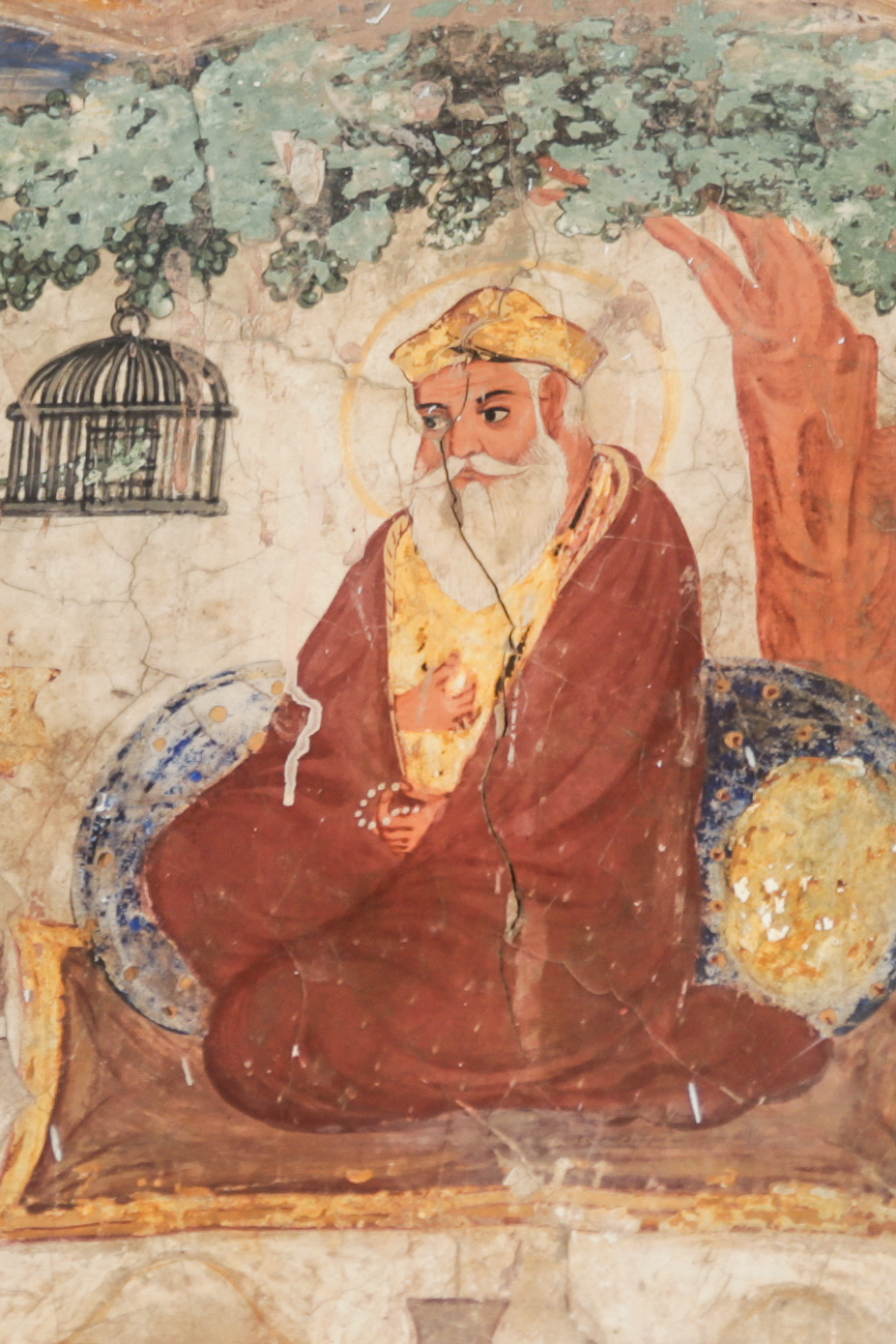
Founder of Sikhi. A poet and teacher who rejected caste and empty ritual and taught devotion to one formless God through the Name, honest work and sharing.
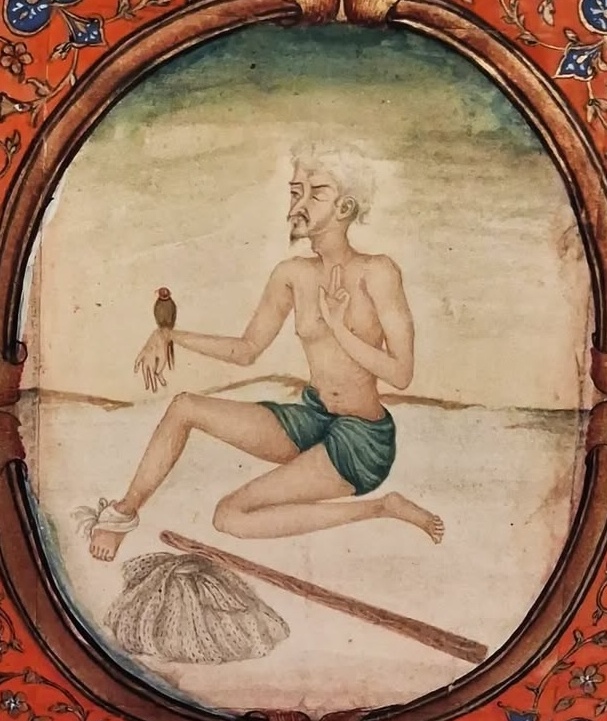
Chishti Sufi of Pakpattan and the first great poet of the Punjabi language. His hymns and saloks are part of the Guru Granth Sahib.
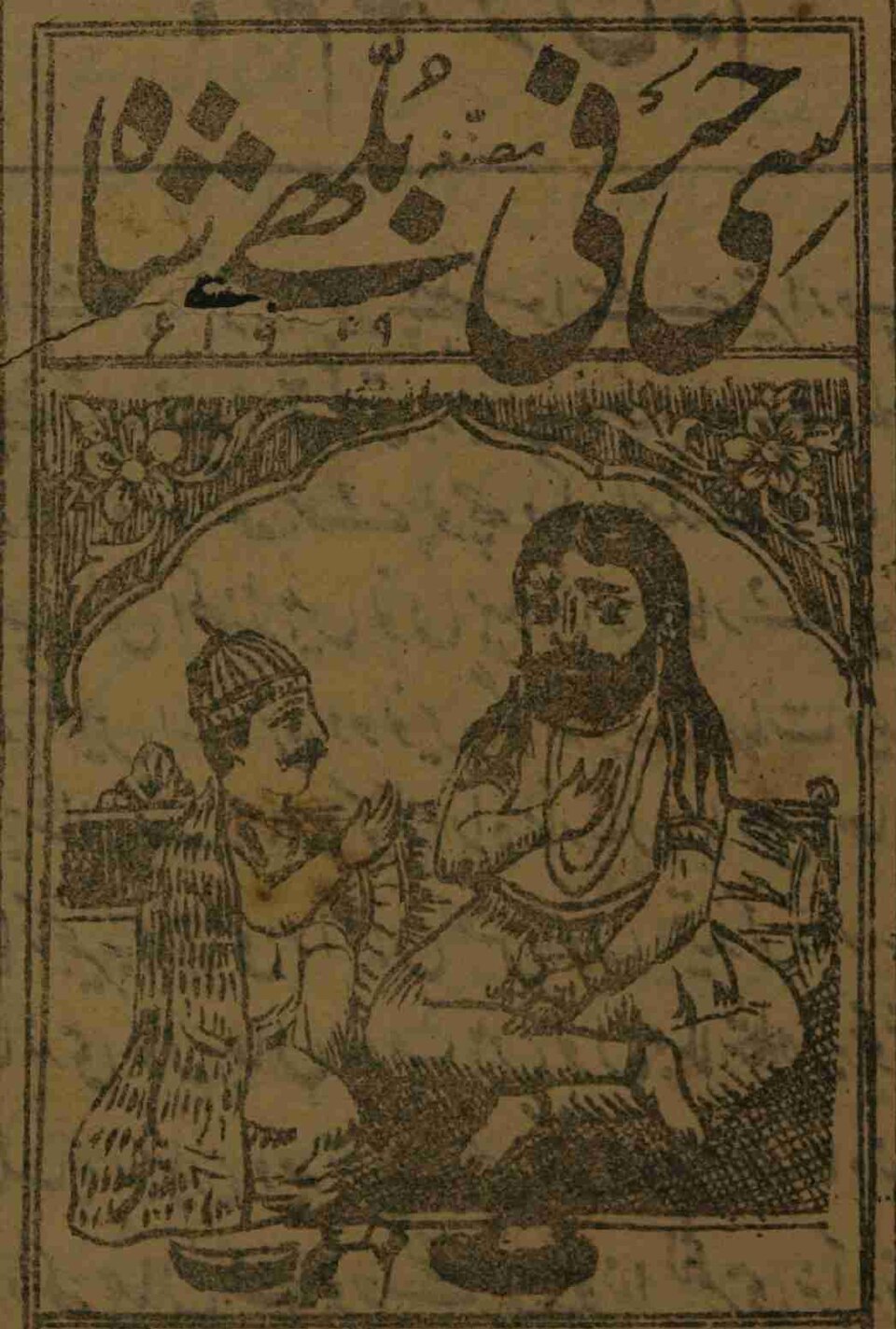
The most loved Sufi poet of Punjab. Mocked clerics of every faith and praised the Sikh Gurus in an age of persecution.
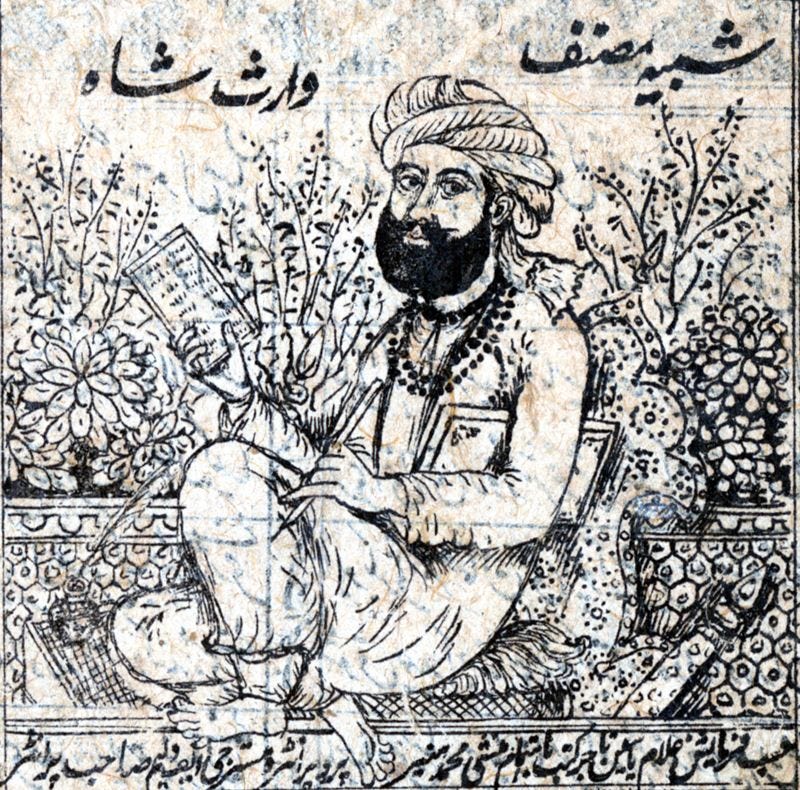
Poet of Heer, the best-known telling of the tragic love of Heer and Ranjha, completed in 1766.
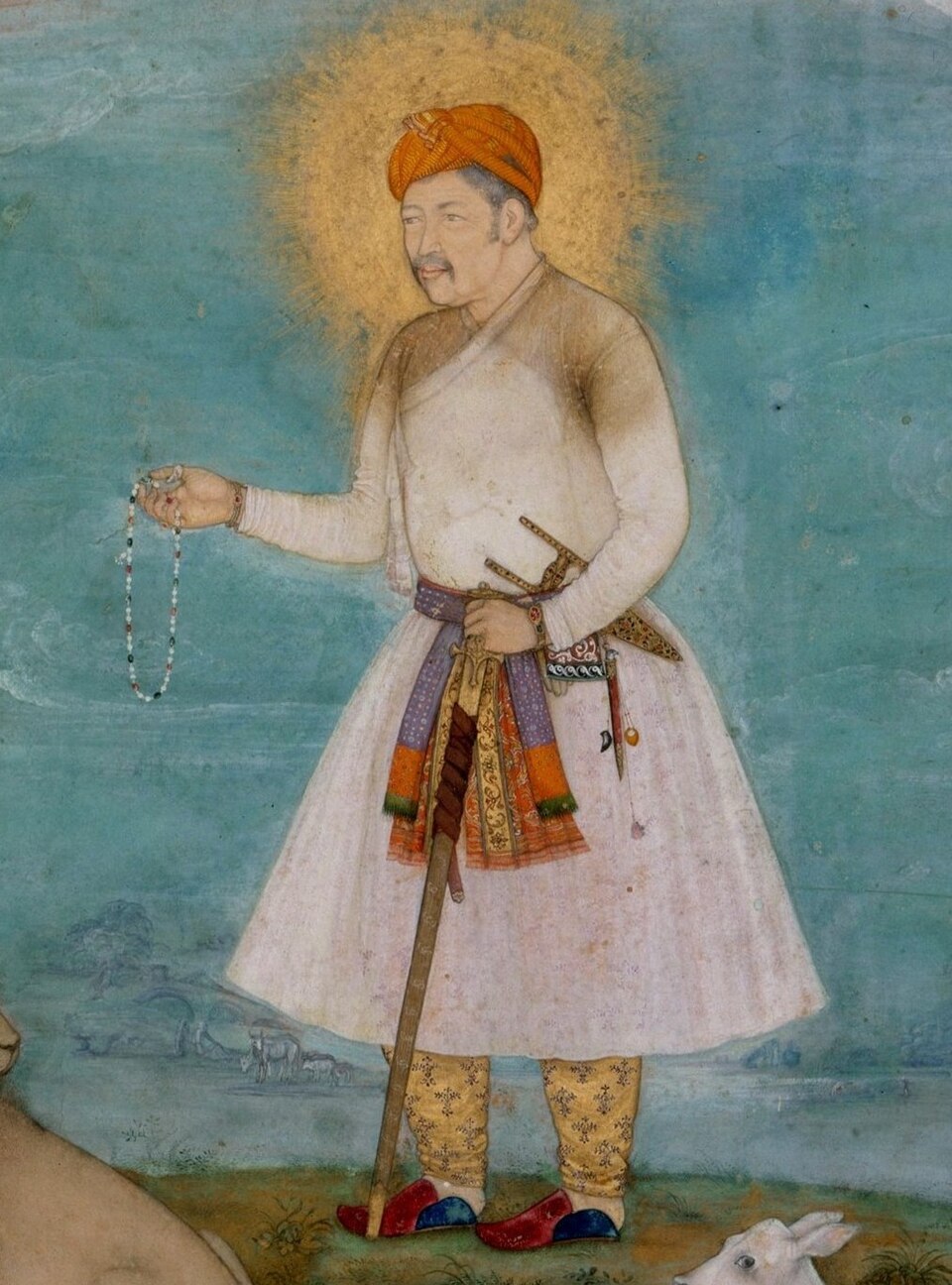
Mughal emperor, crowned at Kalanaur in Punjab, who ate in Guru Amar Das's langar at Goindwal and ruled from Lahore from 1586 to 1598.
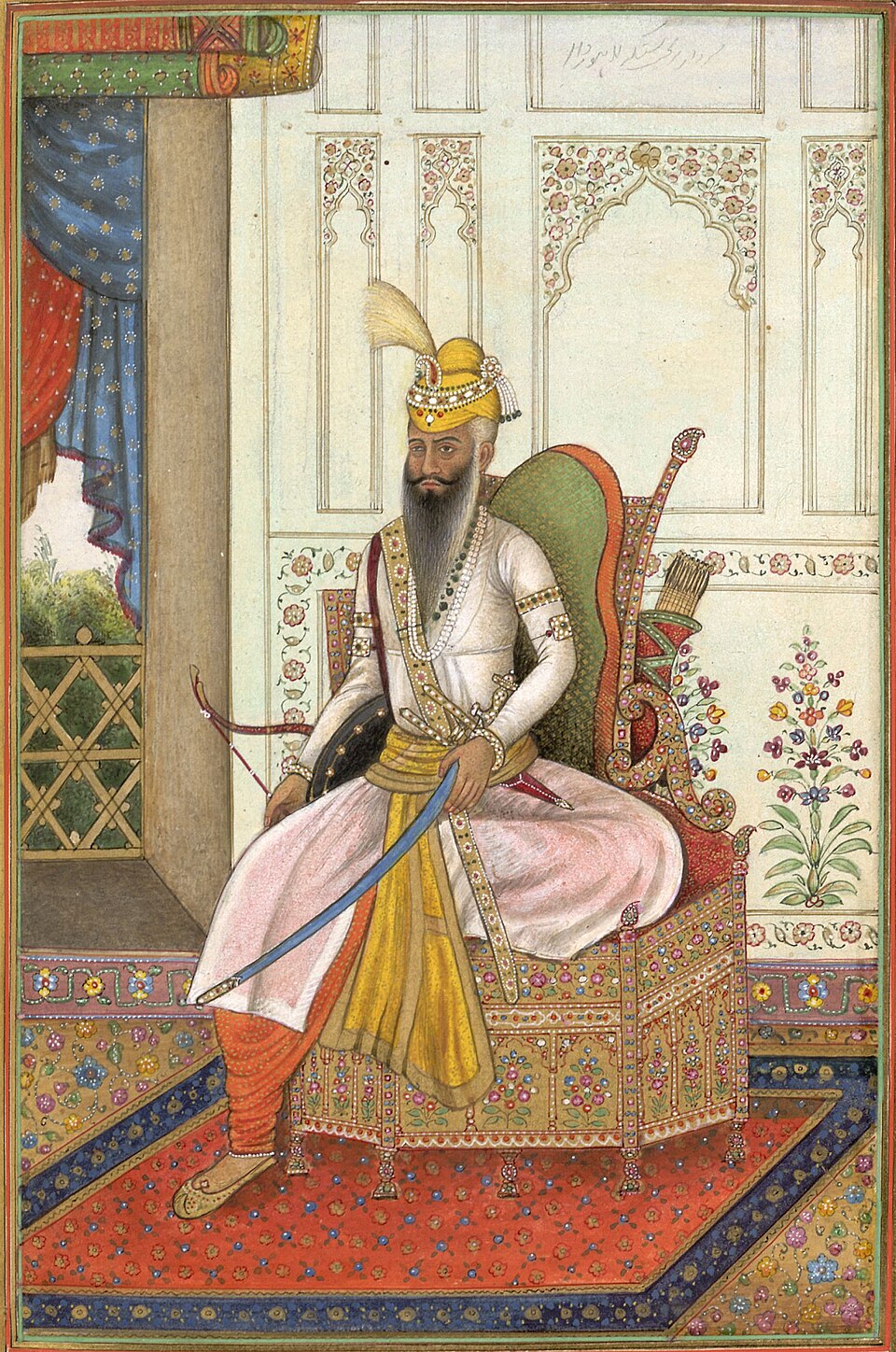
Sher-e-Punjab, the Lion of Punjab. United the misls into the Sikh Empire, ruled from Lahore for forty years and covered the Harmandir Sahib in gold.
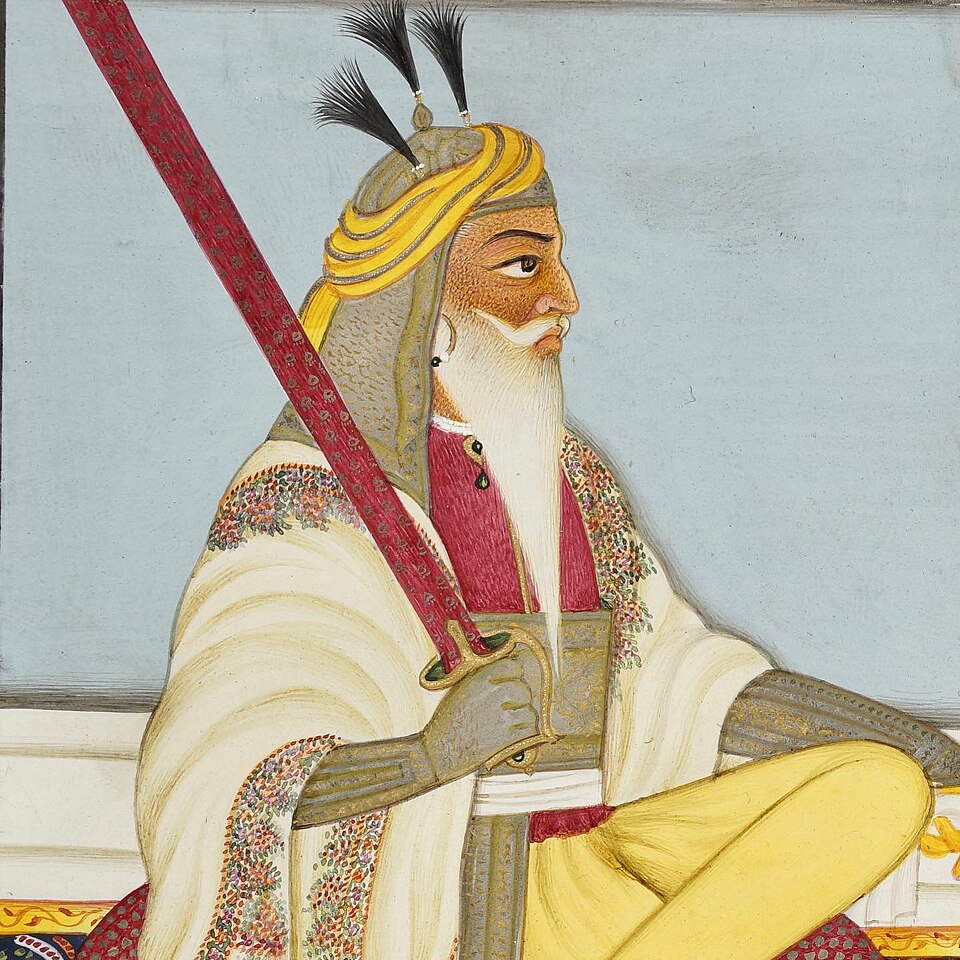
Commander-in-chief of the Sikh army on the north-west frontier. Governed Kashmir and Peshawar and died holding Jamrud against the Afghans.
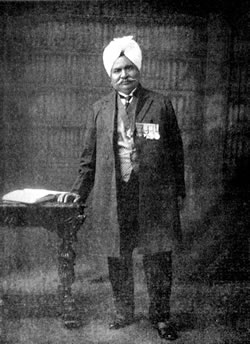
Engineer and philanthropist called the father of modern Lahore, who built its museum, post office and colleges and founded the Ganga Ram hospital.
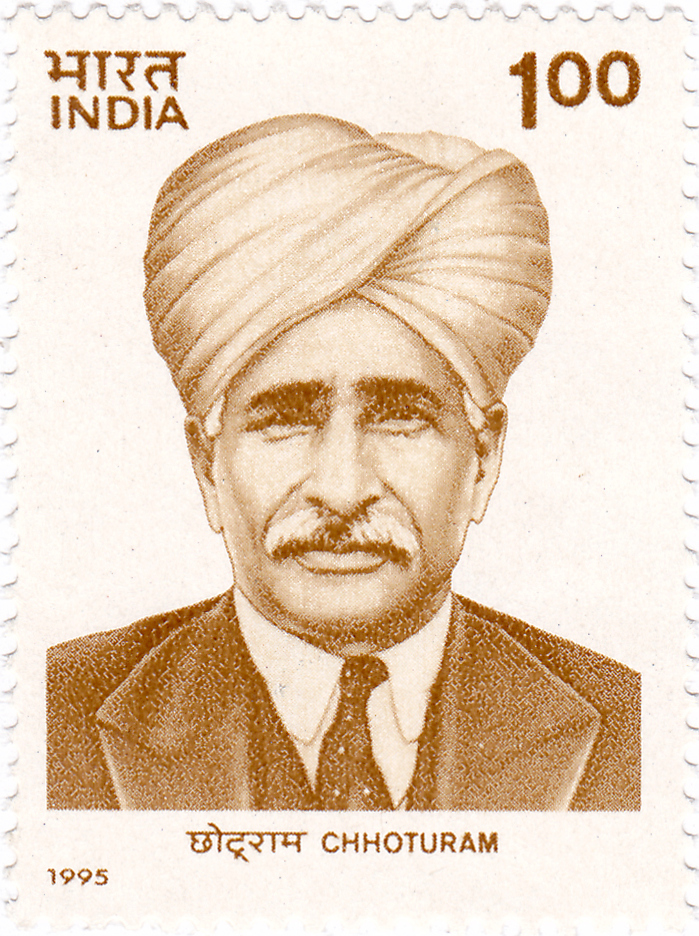
Jat leader from Rohtak and co-founder of the Unionist Party, whose debt and land laws freed the peasants of the Punjab from the moneylender.
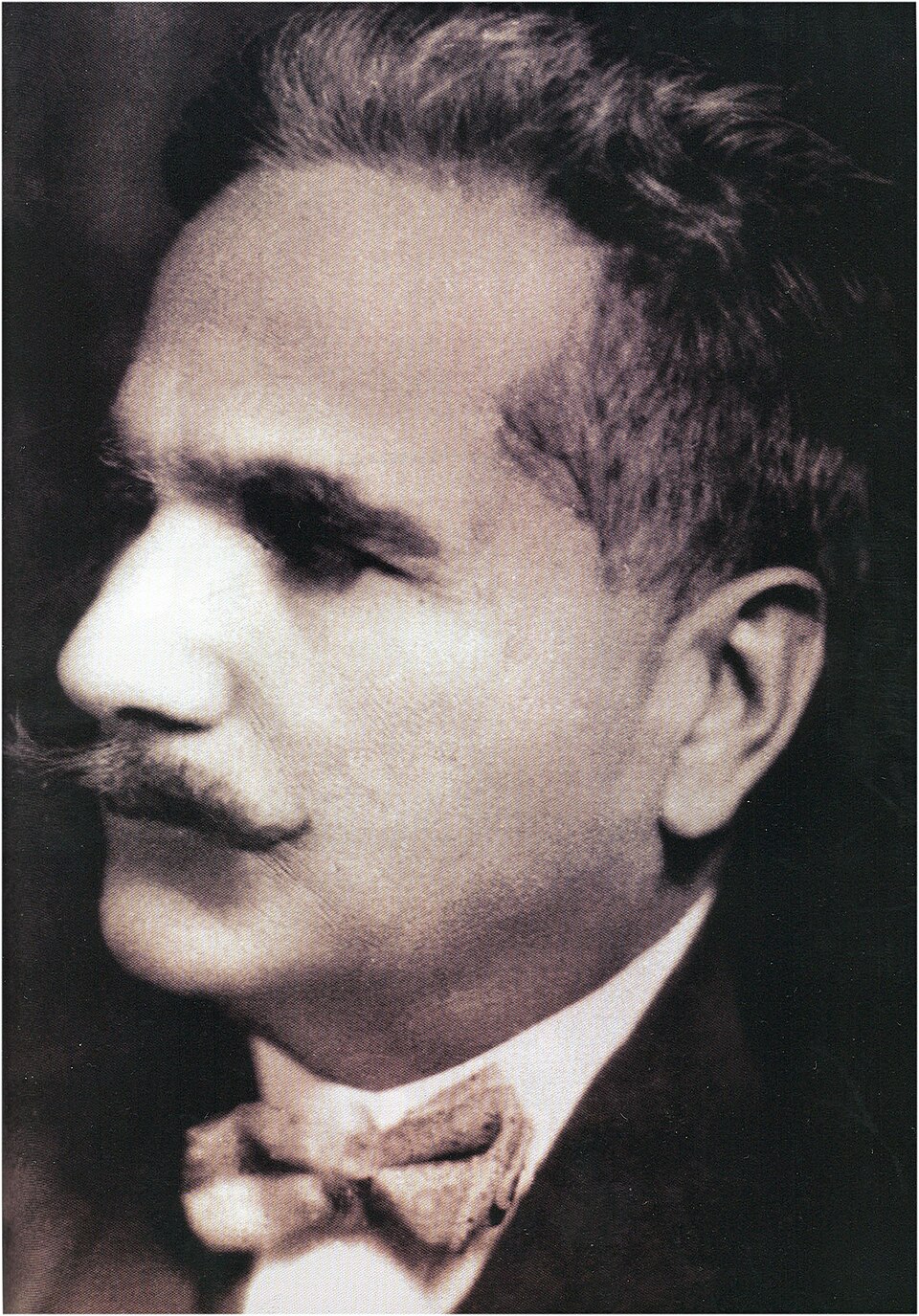
Poet-philosopher of Sialkot and Lahore, writing in Urdu and Persian, who wrote a celebrated poem on Guru Nanak and later argued for a Muslim homeland.
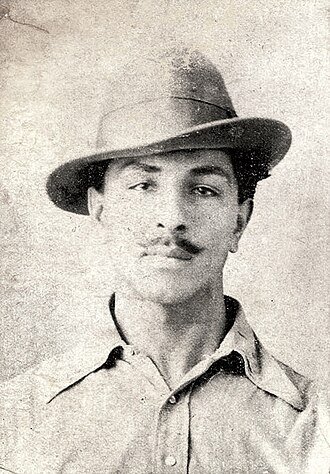
Socialist revolutionary hanged in Lahore at twenty-three with Rajguru and Sukhdev. Among the most celebrated figures of India's independence movement.
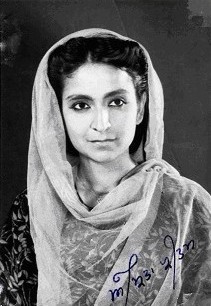
The leading woman poet of Punjabi, born in Gujranwala. Her elegy for Partition calls on Waris Shah to rise from his grave and write a new verse for the daughters of Punjab.
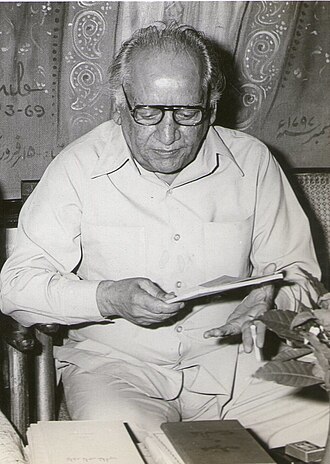
Urdu poet from Sialkot whose 'Subh-e-Azadi' mourned the dawn of 1947 as 'not the dawn we longed for'.
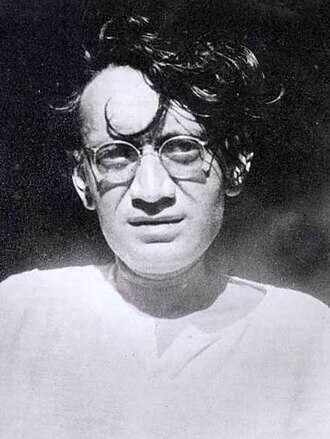
Short-story writer born near Ludhiana whose stories of Partition, such as Toba Tek Singh, are the sharpest record of its madness.
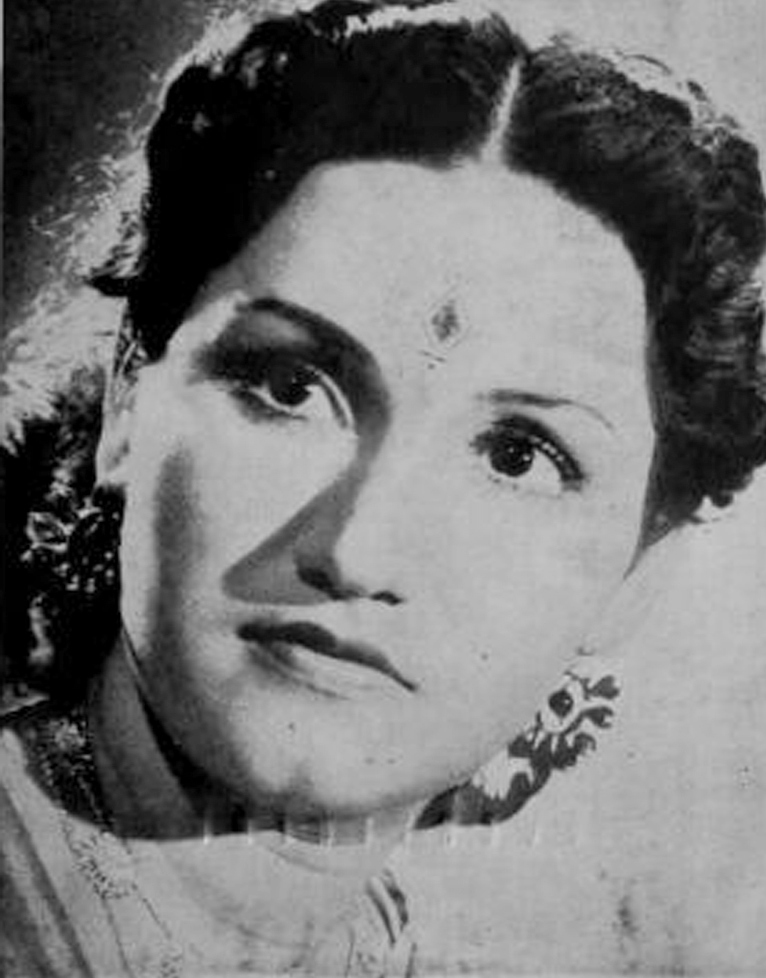
Singer and actress of Kasur, the Malika-e-Tarannum, queen of melody, whose voice filled the films and radios of both Punjabs.
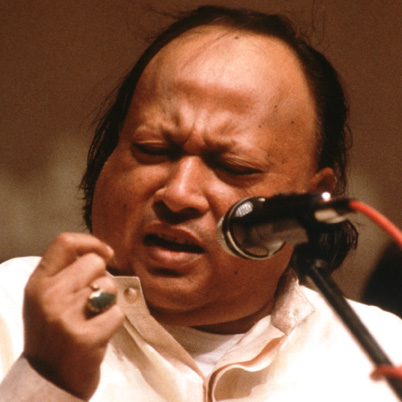
Qawwal of Faisalabad who carried the Sufi songs of the Punjab to the whole world.
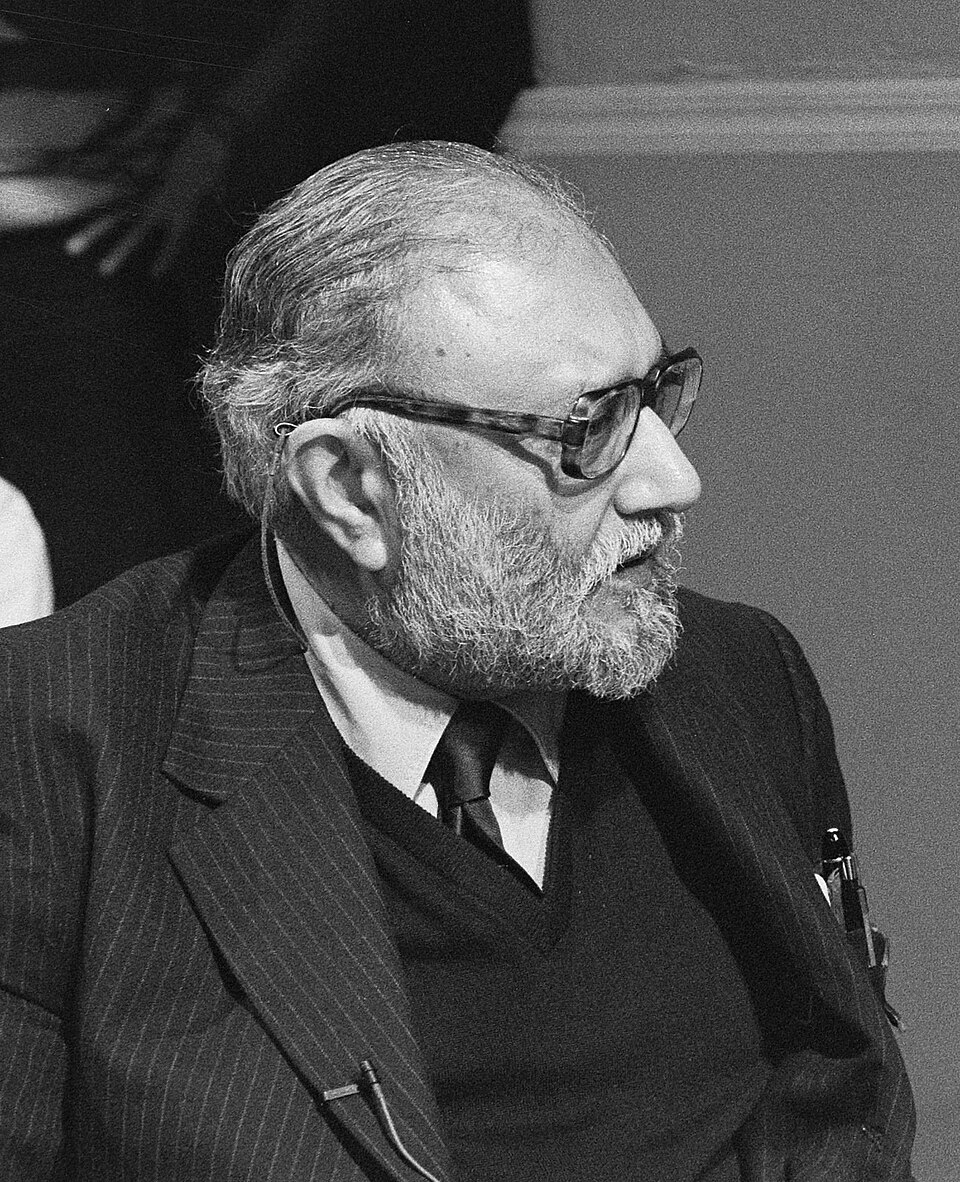
Physicist from Jhang who shared the Nobel Prize in 1979 for unifying two of the forces of nature.
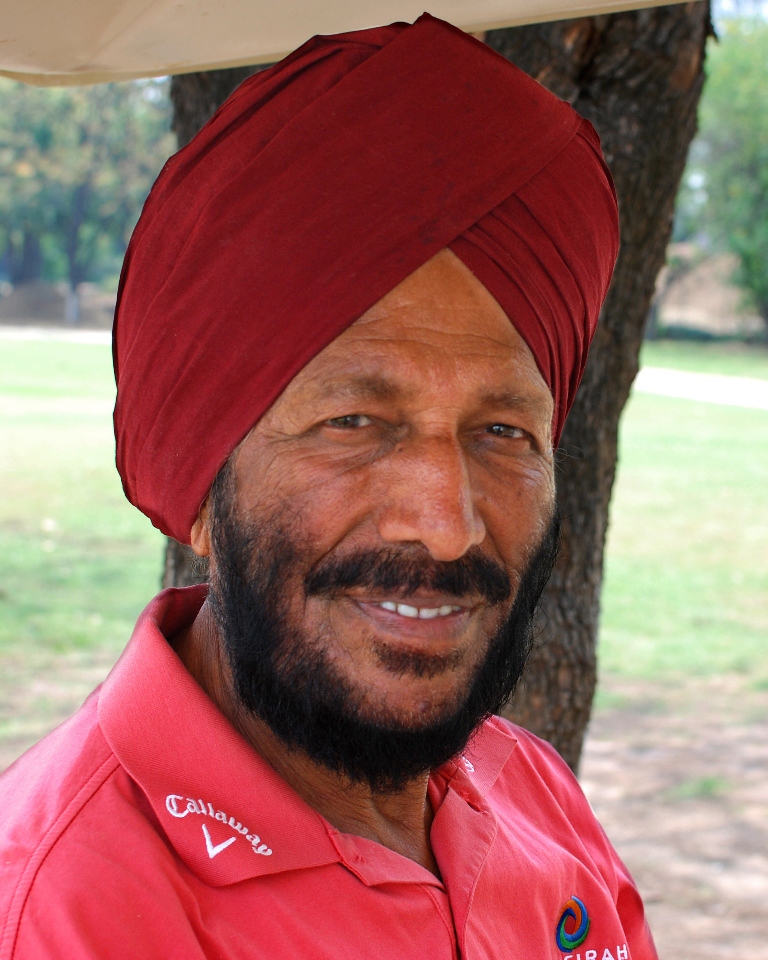
The 'Flying Sikh', a Partition orphan from Muzaffargarh who became Asia's greatest sprinter and missed an Olympic medal in Rome by a fraction of a second.